ZIP 72764 · Springdale, AR · Washington County
Water Leak Detection in 72764Acoustic Water Leak Detection & Thermal Imaging Leak Detection
Water Leak Detection in Springdale covers hidden water leak detection, slab leak detection and thermal imaging leak detection.
Answered 24/7
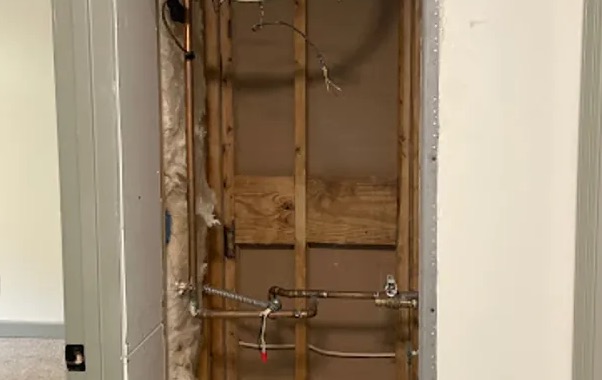
Professional Water Leak Detection in 72764, AR
For homes in Springdale, finding leaks early prevents the slow damage that hidden leaks do to building materials and belongings before anything shows.
In Springdale and nearby Johnson, Lowell and Tontitown, local pros use thermal cameras and other tools to find leaks in slabs, pipes and walls. Call (479) 349-5927 24/7 for water leak detection in Springdale.
Complete Water Leak Detection Services for 72764
Acoustic Water Leak Detection
By listening for the specific sound frequencies of a leak, acoustic detection pinpoints breaches in pipes underground or encased in concrete.
Thermal Imaging Leak Detection
Infrared cameras provide a visual map for thermal imaging leak detection, showing damp areas in walls or ceilings.
Slab Leak Detection
The pros find leaks in water pipes that run below a home's concrete slab.
Hidden Water Leak Detection
The goal of hidden water leak detection is to accurately find leaks in inaccessible areas.
Whole House Leak Detection
The pros check visible pipes and fixtures and use detection tools to survey the plumbing you cannot see.
Symptoms That Require Water Leak Detection in 72764
Water Pooling in the Yard
Unexplained soggy patches, lush grass spots, or standing water in your landscaping suggest an outdoor line leak.
Cabinets or Vanities Warping
The wood in kitchen or bathroom cabinetry begins to swell, warp, or show water stains at the base.
Soggy or Spongy Flooring
Floorboards, carpet, or laminate feel soft, squishy, or bowed, often in a localized area.
Unexplained Water Meter Spikes
Your water bill shows a sudden, consistent increase that you cannot account for with normal household water use.
How Water Leak Detection Works in 72764
Step 1: Symptom Analysis and Hypothesis
Local leak detection experts analyze your reported symptoms, such as sound or moisture, to form a hypothesis about the leak's type and location.
Step 2: Targeted Technology Application
A targeted technology, such as thermal imaging for hidden moisture or acoustic sensors for pipe leaks, is applied to the suspected area.
Step 3: Correlation of Data Points
Findings from different methods are correlated to build a confident picture of the leak's path, whether it's a pinhole leak or a broken joint.
Step 4: Client Walkthrough and Documentation
You are walked through the evidence, and all findings are documented with detailed notes and imagery to support the next phase of leak repair.
Water Damage Causes Found During Water Leak Detection
Freeze and Thaw Cycles
Water inside pipes expands when it freezes, creating pressure that can crack pipes, with leaks appearing during the thaw.
Faulty Appliance Connections
Washing machine hoses, dishwasher supply lines, and water heater connections can degrade or loosen, leading to sudden water releases.
Chemical Drain Cleaner Damage
Harsh chemical cleaners can corrode pipe interiors, especially in older metal pipes, thinning walls and creating leak points.
Corroded or Aging Pipes
Over time, metal pipes corrode and weaken, while plastic pipes can become brittle, leading to pinhole leaks or bursts.
72764 Water Leak Detection for Residential and Commercial
Residential Water Leak Detection
At home, a whole house leak check covers the entire plumbing system. It is useful before buying a home or after noticing small signs of a hidden leak.
Commercial Water Leak Detection
For property managers, scheduled whole house leak detection across multiple units or a large building helps prevent small problems from becoming costly, disruptive emergencies affecting tenants and assets.
Water Leak Detection vs. DIY Leak Finding
If water pressure drops or you hear constant hissing, check visible fixtures and the main shut-off. If the cause is not obvious, call for leak detection before the damage grows.
What Affects Water Leak Detection Cost in 72764, AR
Scope is a primary cost factor; a whole house leak detection survey inspecting all plumbing lines will naturally be more involved than checking a single fixture for a suspected drip.
Confirmation Needs
Some situations require multiple methods to confirm a leak's exact source, which can extend the diagnostic phase of the work.
Plumbing Complexity
Older plumbing systems or those with numerous branches and fixtures present more areas for potential leaks that require careful evaluation.
Detection Method
Thermal imaging and acoustic listening use specialized equipment, which affects the price.
Does Insurance Cover Water Leak Detection?
For pipe leak detection, contact your insurer to understand your coverage. Many policies cover the resulting water damage and the plumbing repair if the leak is sudden. The diagnostic leak detection work to locate the pipe failure may be considered part of the repair.
The Value of Local Experts for Water Leak Detection
Comprehensive Plumbing Assessment
A whole house leak detection check evaluates the entire system, helping to identify multiple potential issues or confirm a single leak source.
Preventative Insight
Identifying a minor leak early through detection can help prevent more extensive water damage and mold growth issues in the future.
Non-Invasive Search Methods
Techniques such as thermal imaging leak detection and acoustic surveys locate hidden moisture sources behind walls or under slabs with minimal disruption.
Emergency Water Leak Detection Available in 72764, AR
Emergency situations like a sudden loss of water pressure or visible pooling require professional leak detection. Get help from local pros by calling (479) 349-5927 at any hour.
Call Now (479) 349-5927Water Leak Detection Coverage in and Around ZIP 72764
From slab leak detection to checking entire plumbing systems, the experts provide thorough leak location for residents in Springdale and the surrounding communities, including Johnson, Lowell and Tontitown.
Your Water Leak Detection Questions Addressed
How does slab leak detection work?
Slab leak detection involves methods such as acoustic listening equipment or thermal cameras to pinpoint leaks in pipes running beneath a home's concrete foundation slab, avoiding unnecessary concrete breaking.
Can water leaks be found without tearing out walls?
Yes, non-invasive methods like thermal imaging leak detection and acoustic surveys are designed to locate many hidden leaks without destructive exploration, preserving your home's finishes.
Does leak detection work on all pipe types?
Most leak detection methods are effective on common pipe materials like copper, PVC, and PEX, though the material can influence the acoustic signature or thermal profile slightly.
Can leak detection find very small leaks?
Advanced equipment can often locate very small, persistent leaks that cause gradual damage, though extremely minor seepage might be more challenging to pinpoint with absolute certainty.
Is leak detection necessary for all water damage?
Not always. When the water source is not obvious, such as ceiling stains or damp walls, finding the leak comes first.