ZIP 72753 · Prairie Grove, AR · Washington County
Water Leak Detection in 72753Whole House Leak Detection & Emergency Leak Detection
Water Leak Detection in Prairie Grove covers hidden water leak detection, slab leak detection and thermal imaging leak detection.
Answered 24/7
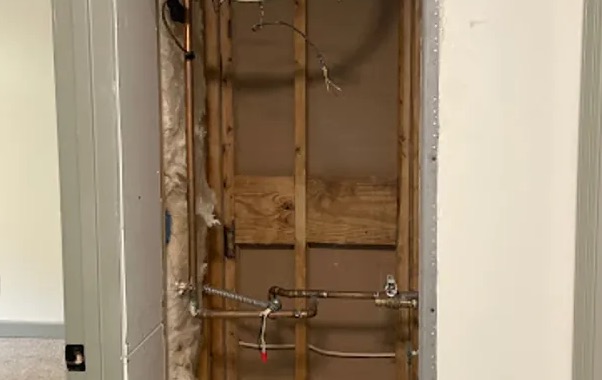
Professional Water Leak Detection in 72753, AR
In Prairie Grove, leak detection handles both sudden emergencies like burst pipes and slow, hidden leaks, with whole house checks available to catch problems early.
In Prairie Grove and nearby Farmington, Lincoln and West Fork, local pros use thermal cameras and other tools to find leaks in slabs, pipes and walls. Call (479) 349-5927 24/7 for water leak detection in Prairie Grove.
Available Water Leak Detection Services in 72753, AR
Whole House Leak Detection
The pros check visible pipes and fixtures and use detection tools to survey the plumbing you cannot see.
Emergency Leak Detection
For sudden flooding or unexplained water intrusion, emergency leak detection is the first critical step.
Pipe Leak Detection
Local leak detection experts test the plumbing one section at a time to isolate the pipe that is losing water.
Slab Leak Detection
Slab leak detection focuses on finding breaches in plumbing pipes embedded in or under the concrete foundation.
Hidden Water Leak Detection
Hidden water leak detection uses advanced acoustic listening devices to pinpoint leaks behind walls or under floors without invasive demolition.
Signs That Point to Hidden Leaks Needing Water Leak Detection
Musty Odors and Mold Growth
A persistent earthy smell or visible mold spots can signal hidden moisture from an undetected leak.
Foundation Cracks or Shifts
New cracks in your home's foundation or slab can be caused by water erosion from a subsurface leak.
Low Water Pressure Issues
A noticeable drop in water pressure from faucets or showers can point to a leak in the supply line.
Warm Spots on the Floor
Certain areas of tile or flooring feel unusually warm, which may indicate a hot water line leak.
How Water Leak Detection Works in 72753
Step 1: Suspected Leak Analysis
Water leak detection pros analyze descriptions of damp spots or mold growth. This initial assessment helps determine the likely leak type and an appropriate detection approach.
Step 2: Targeted Leak Detection Investigation
The pros focus on the suspected area with the right tools, which speeds up the search.
Step 3: Corroboration with Thermal Imaging
Thermal imaging leak detection visually corroborates findings from other methods. The infrared images provide clear evidence of moisture presence and migration paths.
Step 4: Insurance-Ready Damage Documentation
Every step is documented with photos, videos, and moisture level data. This creates an insurance-ready file, though coverage decisions remain with your insurer.
Water Damage Causes Found During Water Leak Detection
Corroded or Aging Pipes
Over time, metal pipes corrode and weaken, while plastic pipes can become brittle, leading to pinhole leaks or bursts.
Root Intrusion Into Lines
Tree roots seek moisture and can infiltrate underground sewer or water lines, cracking pipes and causing major blockages and leaks.
Chemical Drain Cleaner Damage
Harsh chemical cleaners can corrode pipe interiors, especially in older metal pipes, thinning walls and creating leak points.
Freeze and Thaw Cycles
Water inside pipes expands when it freezes, creating pressure that can crack pipes, with leaks appearing during the thaw.
Water Leak Detection for Homes and Businesses in 72753
Residential Water Leak Detection
For homes on concrete slabs, finding the exact leak location means the floor is opened in one small spot instead of several.
Commercial Water Leak Detection
In office buildings or retail spaces, slab leaks can go unnoticed until flooring fails or utility costs soar. Professional leak detection for businesses identifies these hidden issues before they cause major operational and financial impacts.
DIY Leak Checks vs. Professional Water Leak Detection
In the yard, look for soggy soil or unusually green patches and mark them. Finding out whether it is the main pipe and where exactly takes professional leak detection.
Factors in Water Leak Detection Cost for 72753
The cost depends on the methods needed, from a visual check to thermal imaging or listening devices that find leaks without opening walls.
Follow-Up Documentation
Detailed moisture readings and photo documentation for your records can add to the cost.
Access Difficulty
Slab leak detection or leaks within finished spaces can be harder to access, requiring non-destructive methods that add procedural steps.
Detection Method
Thermal imaging and acoustic listening use specialized equipment, which affects the price.
Does Insurance Cover Water Leak Detection?
For pipe leak detection, contact your insurer to understand your coverage. Many policies cover the resulting water damage and the plumbing repair if the leak is sudden. The diagnostic leak detection work to locate the pipe failure may be considered part of the repair.
Advantages of Local Water Leak Detection in 72753
Advanced Leak Detection Equipment
The experts use tools like thermal imaging cameras and acoustic listening devices to pinpoint leaks without unnecessary damage to your property.
Non-Invasive Search Methods
Techniques such as thermal imaging leak detection and acoustic surveys locate hidden moisture sources behind walls or under slabs with minimal disruption.
Clear Source Identification
Pros find exactly where the water is coming from, which has to happen before any drying or repair.
24/7 Water Leak Detection for 72753 Emergencies
Leak detection is available day or night. Call the pros at (479) 349-5927 to find the leak in your home.
Call Now (479) 349-5927Water Leak Detection Availability Throughout Washington County
Water leak detection services cover Prairie Grove and the vicinity, including Farmington, Lincoln and West Fork, focusing on finding the source of leaks behind walls, under floors, or within slabs.
Common Water Leak Detection Questions Answered
How long does professional leak detection take?
The time varies greatly based on leak accessibility and home size, from a quick fixture check to several hours for a whole house survey or challenging hidden leak search.
Does leak detection work on all pipe types?
Most leak detection methods are effective on common pipe materials like copper, PVC, and PEX, though the material can influence the acoustic signature or thermal profile slightly.
What areas of the home are checked during leak detection?
The check focuses on areas with plumbing: behind walls near bathrooms and kitchens, under sinks, around water heaters, beneath slabs, and along the main supply lines throughout the house.
Can water leaks be found without tearing out walls?
Yes, non-invasive methods like thermal imaging leak detection and acoustic surveys are designed to locate many hidden leaks without destructive exploration, preserving your home's finishes.
What is hidden water leak detection?
It uses thermal cameras and listening devices to find leaks hidden behind walls, under floors and in other places you cannot see, without tearing things open.