Wyandotte, OK · Ottawa County
Water Heater Burst Water Removal in Wyandotte, OKHot Water Leak Drying Services & Wet Drywall Removal After Burst
Water Heater Burst Water Removal in Wyandotte handles wet drywall removal after burst, water damaged floor removal, and emergency burst heater cleanup.
Answered 24/7
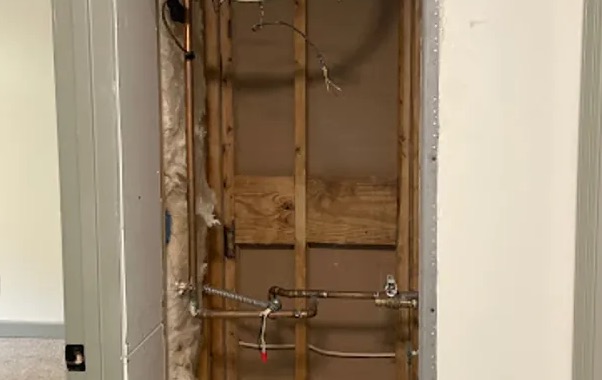
Water Heater Burst Water Removal Services for Wyandotte
In Wyandotte, water from a leaking water heater soaks into nearby materials quickly. Fast removal and thorough drying keep a small leak from becoming a big repair.
In Wyandotte and nearby Seneca, Fairland and Miami, local water extraction experts handle burst water heaters, removing all the water and drying the area to help prevent mold.
Water Damage Services After a Heater Burst in Wyandotte
Hot Water Leak Drying Services
Moisture lingers in drywall and subflooring after extraction. Professional drying uses air movers and dehumidifiers to remove it, preventing warping and hidden mold.
Wet Drywall Removal After Burst
Drywall absorbs water quickly. When saturated, it often must be removed. Local restoration pros cut out and dispose of waterlogged drywall to prevent mold.
Water Heater Burst Water Extraction
The pros in Wyandotte assess the spill and use high-capacity tools for complete extraction.
Burst Water Heater Damage Cleanup
Cleanup goes beyond drying. The pros remove debris, clean walls, and treat surfaces to prevent odors using industry-standard methods.
Water Heater Flood Water Removal
The sudden release from a failed heater requires removal. This prevents water from migrating under doors, protecting adjacent areas.
Indicators You Need Emergency Water Removal in Wyandotte
Water Heater Making Strange Noises
Loud banging or rumbling sounds from your water heater can signal sediment buildup and potential failure. Call (479) 349-5927 for the pros before a full rupture occurs.
Visible Corrosion on the Tank
Obvious rust or corrosion on the exterior of the tank weakens its structure. This is a major risk factor for a catastrophic water heater flood.
Rusty or Discolored Water
Rusty water from hot taps can mean the tank is corroding inside, which often comes before a leak.
Wet Floors or Baseboards Nearby
Damp flooring or baseboards near the water heater mean water is spreading into the room.
How Water Heater Burst Water Removal Works in Wyandotte
Step 1: Secure Area and Begin Water Extraction
The work area is secured for safety, and emergency water removal begins. The pros use industrial equipment to extract water from the burst site.
Step 2: Apply Focused Drying Techniques
Focused drying techniques are applied to wet materials, using equipment designed for rapid moisture evaporation.
Step 3: Monitor and Adjust the Drying Environment
Drying equipment is adjusted as readings change until all materials are dry.
Step 4: Final Cleanup and Prevention Advice
A final cleanup removes any debris and residues from the emergency burst heater cleanup process.
Common Sources of Water Damage in Wyandotte Homes
Corrosion and Rust Over Time
The metal tank corrodes from the inside out due to constant water exposure and chemical reactions.
Physical Damage to the Tank
Dents, dings, or impacts from moving objects can compromise the tank's structural integrity. Even minor damage can become the starting point for a major leak.
Manufacturing Defects or Flaws
Rare manufacturing flaws in the tank's steel or welds can hold for years, then fail without warning.
Aging and General Wear
All water heaters have a finite lifespan, typically 8-12 years. The tank metal fatigues over time, becoming more susceptible to cracks and failure under normal pressure.
Water Damage Restoration for All Properties in Wyandotte
Residential Water Heater Burst Water Removal
Residential water heater floods often require careful handling of finished basements or adjacent rooms. The process involves water heater burst water extraction, sanitization, and targeted drying to restore normal living conditions safely.
Commercial Water Heater Burst Water Removal
A burst heater in a commercial setting risks slip hazards and code violations. The pros secure the area, extract standing water, and implement drying plans to get the business back to code quickly.
When to Handle Water Damage Yourself in Wyandotte
If safe, turn off the water supply to the heater at the main shutoff valve. Also, turn off power to an electric heater at the breaker or the gas supply to a gas unit. Place buckets under drips and move nearby valuables to a dry area. For standing water or soaked materials, call the pros for proper water heater burst water removal.
Understanding Water Damage Restoration Costs in Wyandotte
Cost depends on how much cleanup is needed, including wet drywall removal or floor repairs. More damage means more labor and materials.
Access Complexity
A water heater located in a tight closet or utility room can make water extraction and equipment setup more labor-intensive and costly.
Mold Prevention Measures
Applying antimicrobial treatments to prevent mold growth after a water heater leak adds a line item to the total restoration cost.
Duration of Leak
How long the hot water leaked before discovery affects how deeply moisture penetrates, increasing the complexity and cost of drying.
Does Insurance Cover Water Heater Burst Water Removal?
Whether your insurance covers this water damage restoration often hinges on if the burst was sudden and accidental. The pros provide detailed documentation of the extracted water and affected areas to support your submission.
Advantages of Professional Water Heater Burst Water Removal in Wyandotte
Comprehensive Damage Assessment
An initial inspection evaluates the full extent of the burst heater's impact, informing an effective water removal and drying plan.
Sequenced Restoration Process
Work follows a logical sequence: extraction, drying, cleaning, and controlled demolition, methodically addressing burst water heater damage cleanup.
Advanced Moisture Detection
Moisture meters and thermal cameras map hidden dampness behind walls and under floors so drying is complete.
Emergency Water Damage Response in Wyandotte
Hot water from a leaking heater causes rapid damage to floors and walls. Contact the experts at (479) 349-5927 for 24/7 emergency burst heater cleanup and water removal services.
Call Now (479) 349-5927Water Heater Burst Water Removal Available Throughout Wyandotte
Water heater burst water removal services address the urgent need to extract hot water and dry out rooms in Wyandotte and nearby areas like Seneca, Fairland and Miami.
- Water Heater Burst Water Removal in Seneca
- Water Heater Burst Water Removal in Fairland
- Water Heater Burst Water Removal in Miami
- Water Heater Burst Water Removal in Grove
- Water Heater Burst Water Removal in Afton
- Water Heater Burst Water Removal in Anderson
- Water Heater Burst Water Removal in Bernice
- Water Heater Burst Water Removal in Neosho
- Emergency Damage Restoration in 74370
- Storm Damage Restoration in 74370
- Water Damage Restoration in 74370
- Water Extraction Service in 74370
- Water Leak Detection in 74370
- Water Removal Service in 74370
Frequently Asked Questions About Water Heater Burst Water Removal
What is involved in water heater burst water removal?
Pros extract the standing water, dry the affected materials with industrial equipment, inspect for moisture and remove wet drywall when needed.
Why is water extraction service critical after a burst?
Quick removal limits the water's spread and penetration, reducing the extent of damage, the drying time required, and the overall cost of property water damage repair.
Is wet drywall removal always necessary after a burst?
Not always. The pros use moisture meters to assess drywall. If it's saturated and cannot be dried thoroughly, removal is needed to prevent mold inside walls.
What happens during property water damage repair after extraction?
After drying is complete and materials are confirmed dry, repairs can begin, which may include replacing drywall, reinstalling flooring, and repainting affected rooms.
What are the steps for emergency burst heater cleanup?
Steps include stopping the water source, extracting standing water, setting up drying equipment, monitoring moisture levels, and cleaning/disinfecting the area to prepare for repairs.