Wagoner, OK · Wagoner County
Temperature-Controlled Drying in Wagoner, OKHumidity Control For Restoration & Water Damage Drying Logs
Temperature-Controlled Drying in Wagoner by local temperature-controlled drying specialists addresses thermal drying for water damage, climate-controlled drying systems, and moisture mapping to restore property.
Answered 24/7
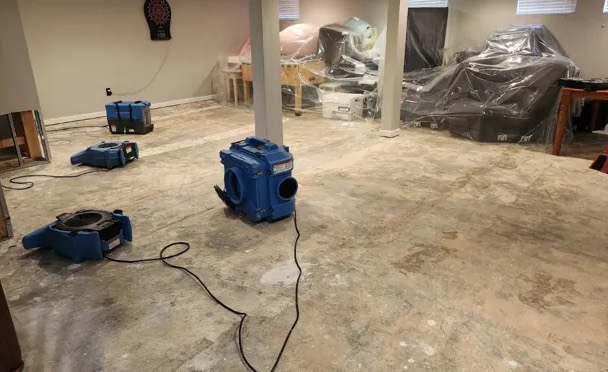
Expert Temperature-Controlled Drying Services in Wagoner, Oklahoma
In Wagoner, slow or uneven drying lets wood rot and drywall soften, which adds cost and keeps you out of your home longer.
In Wagoner and nearby Fort Gibson, Muskogee and Inola, local pros take baseline moisture readings, then run air movers and dehumidifiers and log moisture levels as they drop.
Temperature-Controlled Drying Services in Wagoner
Humidity Control for Restoration
Dehumidifiers lower the dew point in the affected area, so materials give up their moisture more easily.
Water Damage Drying Logs
The specialists create detailed, timestamped drying logs. These records track initial readings, daily progress, and final verification, providing proof that industry-standard drying was followed.
Climate-Controlled Drying Systems
Advanced systems allow precise manipulation of the drying environment. By controlling the dew point, the specialists can aggressively dry contents without risk.
Thermal Drying for Water Damage
The specialists apply thermal energy to enhance air mover and dehumidifier effectiveness. This lowers relative humidity, creating a stronger force to pull moisture from materials.
Drying Equipment Deployment
The specialists in Wagoner position equipment to create the controlled environment. They set correct settings and may build containment barriers, turning the drying plan into action.
Indicators for Temperature-Controlled Drying in Wagoner Properties
Damp Odors Persisting After Water
A musty smell lingers even after visible water is gone, indicating hidden moisture. That odor often signals mold or trapped dampness.
Condensation on Windows or Surfaces
Excess humidity causes water droplets to form on cold surfaces. This condensation confirms the indoor air has too much moisture.
Moisture Meter Shows High Readings
A moisture meter reading high inside walls or floors means drying is not finished.
High Humidity Readings Inside
A hygrometer showing unusually high indoor humidity after water damage means the building is still wet.
How Temperature-Controlled Drying Works in Wagoner
Step 1: Initial Moisture Survey and Readings
Pros take baseline moisture readings across the property to plan the drying.
Step 2: Precision Air Mover Placement
Air movers are placed at set angles and distances to target specific wet materials.
Step 3: Deployment of Drying Systems
Dehumidifiers are sized to the moisture load and the size of the space.
Step 4: Ongoing Monitoring and Adjustment
Equipment is moved and adjusted as materials dry, so drying keeps moving.
Causes of Persistent Dampness Requiring Controlled Drying in Wagoner
Roof Leak During Heavy Rain
Wind-driven rain through a damaged roof or flashing can run down inside wall cavities, where it needs targeted drying.
Inadequate Initial Water Extraction
Water left behind after a leak or flood moves into subfloors and walls, where it is harder to dry.
HVAC System Condensation Issues
A clogged condensate drain line causes an overflow inside the air handler. This water can soak insulation and ductwork, creating a hidden moisture issue.
Poor Ventilation After a Flood
Closing up a wet room traps humid air, which slows drying and lets moisture soak further into materials.
Temperature-Controlled Drying for All Property Types in Wagoner
Residential Temperature-Controlled Drying
At home, moisture hides in attics, crawl spaces and behind finished walls. Pros map it before setting up equipment so the whole house dries.
Commercial Temperature-Controlled Drying
In offices, schools and clinics, pros use quieter drying equipment that can run in occupied spaces, and document when drying is complete.
Professional Temperature-Controlled Drying vs. Do-It-Yourself in Wagoner
A home's HVAC on 'fan only' mode can circulate air, but it is not a substitute for professional drying. A wet-dry vacuum can remove standing water from a very localized incident.
Factors in Temperature-Controlled Drying Pricing for Wagoner, OK
In Wagoner, cost depends on how complex the moisture mapping is and how much equipment the area needs.
Moisture Mapping Complexity
Checking moisture in layered floors or hidden cavities takes more time and equipment.
Extent of Water Damage
The larger the area that needs drying, the more equipment and labor the job takes.
Access and Logistics
Challenging site access in Wagoner can complicate equipment deployment and placement, potentially increasing setup time and labor requirements.
Does Insurance Cover Temperature-Controlled Drying?
Many homeowner policies cover temperature-controlled drying when it stems from a sudden, covered peril like a burst pipe. The specialists document all damage with photos and moisture readings for your claim submission.
Benefits of Local Specialists for Temperature-Controlled Drying in Wagoner
Advanced Moisture Mapping
Moisture meters and thermal cameras find hidden wet pockets so every affected material is dried.
24/7 Emergency Response
Quick action is critical to limit secondary damage, and local pros are available around the clock to begin the drying process.
Comprehensive Drying Logs
Detailed, chronological logs of moisture readings and equipment settings provide a transparent record of the entire temperature-controlled drying process.
Emergency Temperature-Controlled Drying Response for Wagoner, OK
Fast drying limits damage to walls and floors. Call (479) 349-5927 anytime, day or night, to get drying equipment set up in Wagoner.
Call Now (479) 349-5927Temperature-Controlled Drying Near Wagoner: Communities Served
The pros dry structures and control humidity in Wagoner and communities such as Fort Gibson, Muskogee and Inola.
- Temperature-Controlled Drying in Fort Gibson
- Temperature-Controlled Drying in Muskogee
- Temperature-Controlled Drying in Inola
- Temperature-Controlled Drying in Coweta
- Temperature-Controlled Drying in Chouteau
- Temperature-Controlled Drying in Broken Arrow
- Temperature-Controlled Drying in Locust Grove
- Temperature-Controlled Drying in Catoosa
- Emergency Damage Restoration in 74467
- Storm Damage Restoration in 74467
- Water Damage Restoration in 74467
- Water Extraction Service in 74467
- Water Leak Detection in 74467
- Water Removal Service in 74467
- Emergency Damage Restoration in 74477
- Storm Damage Restoration in 74477
Frequently Asked Questions About Temperature-Controlled Drying
What does drying equipment deployment involve?
Pros assess the loss, calculate how much equipment is needed and place air movers, dehumidifiers and sometimes heaters.
How does humidity control aid in restoration?
Drier air pulls water out of wet materials faster, so lowering humidity speeds up drying.
Is temperature-controlled drying safe for electronics or artwork?
Yes, when the pros use low heat and careful humidity control, it can be safe for drying sensitive materials and belongings.
What happens if hidden moisture is not found during mapping?
Undetected moisture can lead to ongoing deterioration, odor issues, and mold growth inside walls or under floors, underscoring the critical need for thorough initial assessment.
What is the strategy behind air mover placement?
They are angled to move air across wet surfaces in a pattern, so moisture evaporates into the air where dehumidifiers can capture it.