Sand Springs, OK · Tulsa County
Temperature-Controlled Drying in Sand Springs, OKWater Damage Drying Logs & Thermal Drying For Water Damage
Temperature-Controlled Drying in Sand Springs by local temperature-controlled drying specialists includes thermal drying for water damage, climate-controlled drying systems, and rapid structural drying services.
Answered 24/7
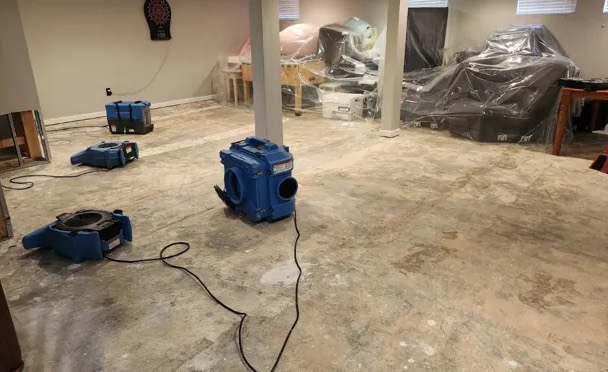
Professional Temperature-Controlled Drying in Sand Springs, OK
In Sand Springs, the air itself can slow drying. Local pros run industrial dehumidifiers to strip moisture from the air so wet materials dry faster.
In Sand Springs and nearby Sapulpa, Jenks and Mannford, local pros take baseline moisture readings, then run air movers and dehumidifiers and log moisture levels as they drop.
Advanced Temperature-Controlled Drying Techniques in Sand Springs
Water Damage Drying Logs
Local temperature-controlled drying specialists create detailed, timestamped drying logs. These records track initial readings, daily progress, and final verification, providing proof that industry-standard drying was followed.
Thermal Drying for Water Damage
The specialists raise the room temperature in a controlled way to drive moisture out of dense materials like concrete slabs and beams, watching readings the whole time.
Climate-Controlled Drying Systems
Dehumidifiers and air movers keep the air in a contained space warm and dry, so moisture moves out of materials faster.
Drying Equipment Deployment
The specialists in Sand Springs position equipment to create the controlled environment. They set correct settings and may build containment barriers, turning the drying plan into action.
Humidity Control for Restoration
The specialists keep humidity low in properties in Sand Springs, so water evaporates from materials instead of soaking back in.
When to Call for Temperature-Controlled Drying in Sand Springs, OK
Paint Peeling or Bubbling Up
Paint loses adhesion and forms bubbles or peels away from the wall. This failure is caused by moisture trapped beneath the paint film.
Moisture Meter Shows High Readings
A moisture meter reading high inside walls or floors means drying is not finished.
Discoloration on Drywall or Ceilings
Yellow or brown water stains appear on surfaces that seem dry. These stains suggest moisture is still present inside the wall cavity.
Damp Odors Persisting After Water
A musty smell lingers even after visible water is gone, indicating hidden moisture. That odor often signals mold or trapped dampness.
How Temperature-Controlled Drying Works in Sand Springs
Step 1: Initial Moisture Survey and Readings
Pros take baseline moisture readings across the property to plan the drying.
Step 2: Precision Air Mover Placement
Air movers are placed at set angles and distances to target specific wet materials.
Step 3: Deployment of Drying Systems
Dehumidifiers are sized to the moisture load and the size of the space.
Step 4: Ongoing Monitoring and Adjustment
Equipment is moved and adjusted as materials dry, so drying keeps moving.
What Leads to Needing Temperature-Controlled Drying in Sand Springs
Poor Ventilation After a Flood
Closing up a wet room traps humid air, which slows drying and lets moisture soak further into materials.
Appliance Malfunction or Overflow
A failed washing machine hose, water heater or dishwasher can release many gallons onto the floor.
Storm-Driven Water Intrusion
Heavy rain overflows gutters or gets in around windows and soaks framing and insulation.
HVAC System Condensation Issues
A clogged condensate drain line causes an overflow inside the air handler. This water can soak insulation and ductwork, creating a hidden moisture issue.
Temperature-Controlled Drying for Homes and Businesses in Sand Springs
Residential Temperature-Controlled Drying
At home, moisture hides in attics, crawl spaces and behind finished walls. Pros map it before setting up equipment so the whole house dries.
Commercial Temperature-Controlled Drying
In offices, schools and clinics, pros use quieter drying equipment that can run in occupied spaces, and document when drying is complete.
When to Hire Local Specialists for Temperature-Controlled Drying in Sand Springs
A home's HVAC on 'fan only' mode can circulate air, but it is not a substitute for professional drying. A wet-dry vacuum can remove standing water from a very localized incident.
Factors in Temperature-Controlled Drying Pricing for Sand Springs, OK
In Sand Springs, the price depends on the square footage, how long drying runs and which drying systems are used.
Structural Material Types
Porous materials like concrete or dense wood require more aggressive drying strategies and extended monitoring, influencing the project timeline and cost.
Drying Time Required
Longer drying periods for climate-controlled systems mean more equipment runtime and monitoring, impacting the overall cost of the restoration project.
Access and Logistics
Challenging site access in Sand Springs can complicate equipment deployment and placement, potentially increasing setup time and labor requirements.
Does Insurance Cover Temperature-Controlled Drying?
The specialists in Sand Springs provide thorough documentation including moisture mapping data to support a homeowner's claim. Coverage decisions belong to the insurer, so property owners should confirm with their provider.
Why Choose Local Specialists for Temperature-Controlled Drying in Sand Springs
Structural Drying
The focus is on quickly extracting moisture from structural components to minimize warping, swelling, or the potential for mold growth.
24/7 Emergency Response
Quick action is critical to limit secondary damage, and the pros are available around the clock to begin the drying process.
Advanced Moisture Mapping
Moisture meters and thermal cameras find hidden wet pockets so every affected material is dried.
24/7 Temperature-Controlled Drying for Emergencies in Sand Springs
For temperature-controlled drying after a leak or flood, call (479) 349-5927 any time. The pros can then start drying the structure.
Call Now (479) 349-5927Temperature-Controlled Drying Near Sand Springs: Communities Served
Climate-controlled and thermal drying are available in Sand Springs and surrounding places including Sapulpa, Jenks and Mannford.
- Temperature-Controlled Drying in Sapulpa
- Temperature-Controlled Drying in Jenks
- Temperature-Controlled Drying in Mannford
- Temperature-Controlled Drying in Glenpool
- Temperature-Controlled Drying in Cleveland
- Temperature-Controlled Drying in Skiatook
- Temperature-Controlled Drying in Bixby
- Temperature-Controlled Drying in Owasso
- Emergency Damage Restoration in 74063
- Storm Damage Restoration in 74063
- Water Damage Restoration in 74063
- Water Extraction Service in 74063
- Water Leak Detection in 74063
- Water Removal Service in 74063
Frequently Asked Questions About Temperature-Controlled Drying
What should a property owner do while waiting for help with drying?
If safe, remove obvious standing water with a mop or towels, move dry contents away from the wet area, and avoid using household fans which can spread contaminants.
How does thermal drying for water damage work?
Thermal drying applies carefully managed heat to increase the evaporation rate of moisture trapped within materials, accelerating the drying process while monitored to prevent damage.
How is drying progress verified during moisture monitoring?
Progress is verified by taking comparative moisture readings with penetrating and non-penetrating meters over time, ensuring levels drop to established dry standards for each material.
How long does the temperature-controlled drying process take?
It depends on the damage, the materials and the conditions. Pros monitor readings and stop when moisture goals are met.
How does humidity control aid in restoration?
Drier air pulls water out of wet materials faster, so lowering humidity speeds up drying.