Wagoner, OK · Wagoner County
Rapid Structural Drying in Wagoner, OKCrawl Space Drying & Concrete Slab Drying
Rapid Structural Drying in Wagoner includes emergency structural drying, moisture mapping services, and flood drying services.
Answered 24/7
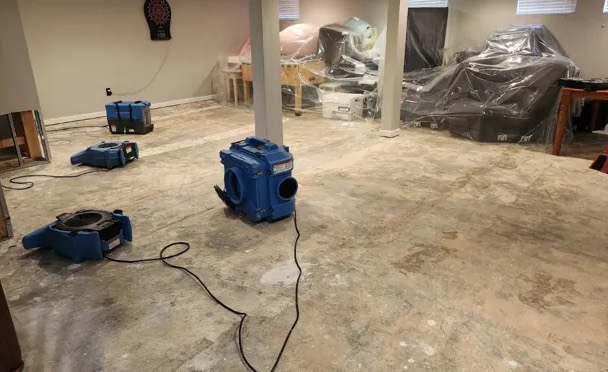
Professional Rapid Structural Drying in Wagoner, OK
Crawl spaces and concrete slabs present unique drying challenges due to limited airflow and dense materials. Moisture trapped in these areas can migrate upward, affecting floors and walls.
In Wagoner, structural moisture removal is a priority for maintaining safe and sound homes. The pros serve the broader area, including communities near Fort Gibson, Muskogee and Inola.
Tailored Rapid Structural Drying for Wagoner
Crawl Space Drying
Properties in Wagoner may have crawl spaces affected by seasonal moisture. Water damage pros seal vapor barriers and run drying equipment until wood moisture content returns to safe levels.
Concrete Slab Drying
After a major flood, a concrete floor often holds significant moisture. Drying the slab prevents future problems with flooring and humidity.
Structural Dehumidification
After water extraction, dehumidification tackles the remaining vapor. Structural dehumidification creates a drying gradient, pulling moisture from wet materials into the drier air.
Subfloor Drying
In many water damage situations, the subfloor is critically affected. Subfloor drying prevents costly replacement by using specialized equipment like LGR dehumidifiers and directed airflow.
Wall Cavity Drying
Interior walls can absorb significant moisture from leaks or floods. Wall cavity drying involves accessing the space between studs to direct airflow and desiccant dehumidification.
Warning Signs You Need Rapid Structural Drying
Musty Odors in Your Home
A musty smell that will not go away usually means moisture is trapped inside walls or under floors.
Squeaking or Soft Floor Areas
Unusual noises or soft spots when walking indicate compromised subflooring from water damage that needs assessment.
Visible Water Stains on Walls
Yellow or brown stains on drywall or ceilings mean water got into the material and may still be inside.
High Indoor Humidity Levels
A clammy feeling in the air suggests elevated moisture that structural dehumidification equipment is designed to correct.
How Rapid Structural Drying Works in Wagoner
Step 1: Initial Inspection and Damage Documentation
The pros document all visible damage with photos and initial moisture readings, providing a baseline for the drying protocol and your insurance.
Step 2: Implementation of Structural Drying Plan
A customized drying plan is executed, placing air scrubbers, dehumidifiers, and specialized fans to achieve rapid structural drying in walls and floors.
Step 3: Continuous Moisture Monitoring Process
Pros take readings each day and move equipment as areas dry, so drying keeps moving.
Step 4: Completion of Emergency Structural Drying
Once all materials meet the required dryness standards, the emergency structural drying phase is complete, and equipment is removed from your property.
Common Causes of Water Damage Requiring Rapid Structural Drying in Wagoner
Severe Weather and Flooding
Heavy rainfall or localized flooding can overwhelm drainage, leading to water intrusion.
Overflowing Sinks or Bathtubs
A bathroom overflow can send water under flooring and into wall cavities, where it stays hidden.
Poor Ventilation in Enclosed Spaces
Inadequate airflow in crawl spaces or wall cavities traps moisture, promoting rot and mold that experts must address.
HVAC System Condensation Issues
Clogged drain lines or faulty condensate pumps from air handlers can cause significant water damage inside walls and ceilings.
Rapid Structural Drying for All Property Types in Wagoner
Residential Rapid Structural Drying
Homes have drywall and hardwood that can often be saved if dried quickly. Pros dry wall cavities in place to avoid tearing out finishes.
Commercial Rapid Structural Drying
In commercial settings, structural drying addresses complex building systems. The experts handle large open spaces, server rooms, and retail floors, using structural dehumidification to meet strict dryness standards for safety and reopening.
Professional Rapid Structural Drying vs. DIY Methods
You can pull up soaked rugs and padding so the subfloor can start drying. Check other rooms for signs of spreading moisture, such as damp baseboards or swelling trim.
Factors Affecting Rapid Structural Drying Pricing
Pricing for emergency structural drying in Wagoner varies based on the category of water involved and the required drying time. Dehumidification and moisture mapping add to the total.
Extent of Water Damage
The square footage and depth of saturation in materials like drywall and subflooring directly impact the drying time and equipment needed.
Access and Complexity
Difficult-to-reach areas like tight crawl spaces or behind finished walls add labor time to the emergency structural drying process.
Affected Structural Materials
Drying dense materials like concrete slabs or enclosed wall cavities demands specialized techniques and longer durations than drying open areas.
Does Insurance Cover Rapid Structural Drying?
Insurance may cover fast structural drying if the water damage is from a sudden, accidental event like a burst pipe. The pros will create a thorough record of moisture levels and affected areas for your insurer.
Reasons to Trust Restoration Pros with Rapid Structural Drying
24/7 Emergency Response
Help is available day or night to begin the rapid structural drying process and limit further damage.
Water Mitigation Drying Expertise
The approach is part of a complete water mitigation process to stabilize the property quickly.
Industrial-Grade Drying Equipment
High-capacity air movers and dehumidifiers dry crawl spaces and concrete slabs, which hold water longest.
Emergency Moisture Removal for Wagoner
Water in a business can close rooms or whole floors. Call (479) 349-5927 24/7 to start moisture mapping and drying in Wagoner.
Call Now (479) 349-5927Local Rapid Structural Drying Coverage Area
Structural drying is available for homes across Wagoner, and in nearby places such as Fort Gibson, Muskogee and Inola.
- Rapid Structural Drying in Fort Gibson
- Rapid Structural Drying in Muskogee
- Rapid Structural Drying in Inola
- Rapid Structural Drying in Coweta
- Rapid Structural Drying in Chouteau
- Rapid Structural Drying in Broken Arrow
- Rapid Structural Drying in Locust Grove
- Rapid Structural Drying in Catoosa
- Emergency Damage Restoration in 74467
- Storm Damage Restoration in 74467
- Water Damage Restoration in 74467
- Water Extraction Service in 74467
- Water Leak Detection in 74467
- Water Removal Service in 74467
- Emergency Damage Restoration in 74477
- Storm Damage Restoration in 74477
Common Queries About Structural Drying
How long does concrete slab drying typically take?
Concrete slab drying time varies with thickness and saturation but often takes several days, as dense concrete releases moisture slowly, requiring sustained use of industrial dehumidifiers and air circulation.
What equipment is used for water mitigation drying?
Water mitigation drying utilizes industrial air movers for evaporation, high-capacity dehumidifiers to remove vapor, and moisture meters to monitor progress throughout the structural drying process.
How does drying differ for residential structural drying?
Residential structural drying often involves navigating living spaces, personal belongings, and varied construction materials, with a focus on restoring habitability and protecting the home's value.
What is involved in subfloor drying?
Subfloor drying involves using specialized air movers and dehumidifiers to draw moisture out of the wooden or concrete layer beneath flooring, often requiring access panels or strategic placement of equipment.
When is crawl space drying necessary?
Crawl space drying is necessary when flooding or high humidity saturates this enclosed area, as trapped moisture can damage foundation piers, joists, and lead to mold growth throughout the home.