Sand Springs, OK · Tulsa County
Industrial Dehumidification in Sand Springs, OKStructural Drying Services & Industrial Humidity Reduction Systems
Industrial Dehumidification in Sand Springs includes mold remediation services, structural drying services, and disaster recovery drying.
Answered 24/7
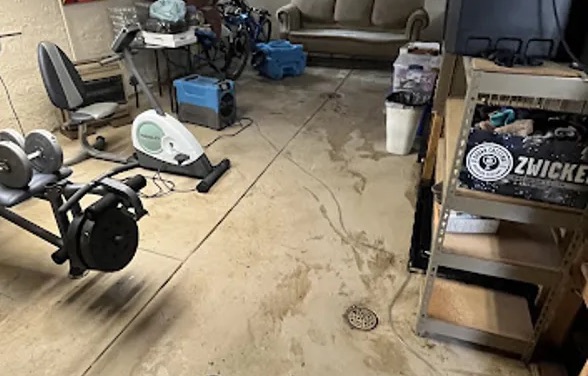
Industrial Dehumidification Solutions in Sand Springs, Oklahoma
After a flood or major leak, large buildings need drying at scale to reopen. Every day of downtime costs a business money and keeps materials wet.
Industrial dehumidification is a priority for large facilities in Sand Springs and nearby areas like Sapulpa, Jenks and Mannford. Whether dealing with a burst pipe or ongoing humidity issues, local water damage pros apply commercial dehumidification techniques.
Professional Industrial Dehumidification in Sand Springs
Structural Drying Services
Water damage restoration pros in Sand Springs dry the framing, walls and slabs of a wet building, including the hidden moisture that causes slow decay.
Industrial Humidity Reduction Systems
Some buildings stay humid long after a leak. Dehumidifiers can be left running to hold humidity at a set level until the building is stable.
Industrial Flood Damage Restoration
Major industrial flooding demands comprehensive restoration. Pros start by extracting water and then dry the structure. They focus on preventing corrosion to metal assets and electrical systems.
Emergency Water Removal
After a flood, standing water has to come out first. Pumps and extractors remove it so drying can begin.
Mold Remediation Services
Persistent moisture often leads to mold growth. The pros first dry the structure thoroughly. Affected surfaces are then cleaned.
Indicators for Industrial Dehumidification Services in Sand Springs
Elevated Humidity Levels
Sticky air and condensation on windows or metal surfaces mean humidity in the building is too high.
Noticeable Water Pooling
Standing water in a warehouse or industrial space needs to be removed before drying can start.
Damp Insulation or Drywall
Wet materials behind walls or above ceilings stay wet for weeks without forced drying and can rot.
Soggy Inventory or Stock
Wet cardboard, damaged goods or damp raw materials mean humidity in the building is not under control.
How Industrial Dehumidification Works in Sand Springs
Step 1: Initial Water Damage Cleanup
Pumps and extractors remove the visible water to stop more damage and remove slip hazards.
Step 2: Establish Drying Environment
The area is closed off and dehumidifiers lower the humidity so moisture leaves the materials.
Step 3: Execute Structural Drying Plan
Air movers push air across wet surfaces so the water evaporates and the dehumidifiers collect it.
Step 4: Final Dryness Verification
The job ends when readings show the structure and contents are back to normal dryness.
Causes of Industrial Humidity Problems in Sand Springs
Foundation Cracks and Seepage
Groundwater pushed up through cracks in slabs and walls keeps lower areas damp.
Poor Ventilation and Airflow
Poor ventilation traps moisture from work processes and people inside the building.
Natural Disasters and Severe Weather
Flash floods, torrential rain and other extreme events can soak large buildings and need large-scale drying.
Fire Suppression System Activation
A sprinkler discharge can leave a large amount of water to extract and dry.
Professional Industrial Dehumidification for Any Property in Sand Springs
Residential Industrial Dehumidification
In homes, a slow roof leak can soak attic insulation and lead to mold. The pros in Sand Springs dry the attic once the roof is repaired and clean up the wet areas.
Commercial Industrial Dehumidification
Data centers, labs and archives need steady humidity. After water damage, temporary dehumidification protects equipment and records until conditions are stable.
DIY Moisture Control vs. Professional Industrial Dehumidification in Sand Springs
Throwing out ruined cardboard or soaked insulation is something a property manager can do. Building materials that may have mold should be removed by pros using containment.
Industrial Dehumidification Cost in Sand Springs, OK
Commercial cleanup costs for a facility in Oklahoma depend on how much water must be extracted and how long structural drying takes.
Emergency Service Timing
After-hours or 24/7 calls may be billed at a different rate than a scheduled visit.
Structural Material Type
Concrete, wood and steel dry differently, which changes the approach and the time.
Mold Remediation Needs
If mold is found, containment, removal and air scrubbing are added to the job.
Does Insurance Cover Industrial Dehumidification?
The pros provide the necessary documentation, including logs and moisture data, that the insurer typically needs to process and adjudicate the property owner's claim.
Benefits of Local Pros for Industrial Dehumidification in Sand Springs, OK
Comprehensive Water Removal
The work starts with removing standing water and water soaked into materials.
IICRC-Standard Drying Methods
The pros follow industry drying standards so moisture is fully removed from the structure.
Detailed Moisture Documentation
Meters and sensors track humidity and moisture, so you can see drying progress day by day.
Emergency Industrial Dehumidification in Sand Springs, OK
The longer water sits in a commercial building, the more damage and mold it causes. For industrial drying in Sand Springs, call (479) 349-5927 around the clock.
Call Now (479) 349-5927Areas Served for Industrial Dehumidification Near Sand Springs
The pros provide commercial dehumidification and water cleanup for facilities in Sand Springs and nearby Sapulpa, Jenks and Mannford.
- Industrial Dehumidification in Sapulpa
- Industrial Dehumidification in Jenks
- Industrial Dehumidification in Mannford
- Industrial Dehumidification in Glenpool
- Industrial Dehumidification in Cleveland
- Industrial Dehumidification in Skiatook
- Industrial Dehumidification in Bixby
- Industrial Dehumidification in Owasso
- Emergency Damage Restoration in 74063
- Storm Damage Restoration in 74063
- Water Damage Restoration in 74063
- Water Extraction Service in 74063
- Water Leak Detection in 74063
- Water Removal Service in 74063
Industrial Drying FAQ for Sand Springs Clients
What is industrial dehumidification?
It is removing excess moisture from the air and materials in commercial or industrial buildings after water damage, using large dehumidifiers.
Why choose professional Industrial Dehumidification over in-house fans?
Industrial dehumidifiers and moisture meters dry the structure fully, reaching hidden moisture that fans alone leave behind.
What is structural drying?
It removes moisture soaked into building materials like concrete slabs and walls so they do not decay or grow mold.
How does commercial dehumidification differ from residential?
The focus extends beyond drying to include minimizing operational downtime and protecting sensitive inventory or machinery.
What is the first step in emergency water removal?
The initial critical step is extracting all standing water using truck-mounted or portable pumps and extractors.