Wagoner, OK · Wagoner County
Desiccant Dehumidification in Wagoner, OKConstruction Drying Services & Emergency Dehumidification
Get desiccant dehumidification in Wagoner for emergency dehumidification, flood drying services and firefighting water drying.
Answered 24/7
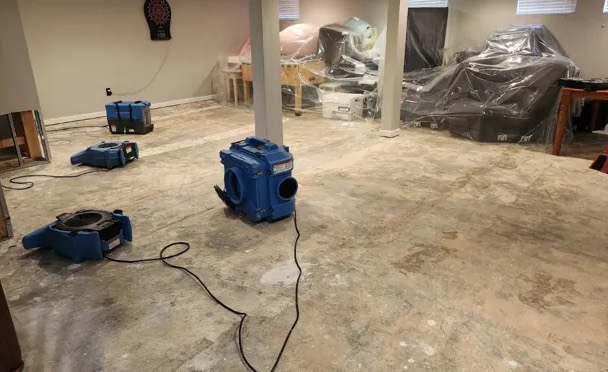
Desiccant Dehumidification: Moisture Control in Wagoner
After water damage in Wagoner, dry air pulls moisture out of wet materials. The drier the air, the faster walls, floors and framing give up their water.
Property owners in Wagoner can call (479) 349-5927 day or night when water damage needs drying. Service also covers Fort Gibson, Muskogee and Inola, with equipment sized to the space.
Desiccant Dehumidification Services in Wagoner
Construction Drying Services
Readings on slabs and framing show when materials are dry enough for the next stage of work.
Emergency Dehumidification
Equipment is sized to the space on the first visit and adjusted each day based on readings.
Firefighting Water Drying
After a fire, water used by firefighters soaks walls, floors and ceilings. Desiccant drying helps dry those materials once debris is cleared.
Mold Prevention Drying
In contained work areas, desiccant dehumidifiers keep the air dry while damaged materials are removed and framing is cleaned.
Crawl Space Drying
Readings on the wood framing are taken at each visit until they return to normal levels.
Symptoms Requiring Desiccant Dehumidification in Wagoner
Peeling Paint or Wallpaper
Paint or wallpaper that peels after a leak has moisture behind it that has not dried.
Wet Insulation in Attics or Walls
Insulation that is wet in attics or walls holds water against framing and slows drying.
High Humidity Readings on Meter
A hygrometer that keeps reading high humidity days after a leak shows the space is not drying.
Cold, Damp Feeling in Air
Air that feels cold and damp, especially in lower levels, can be too cool for standard dehumidifiers to work well.
How Desiccant Dehumidification Works in Wagoner
Step 1: First Call and Setup
Help is available any hour, and drying equipment is set up as soon as standing water is removed.
Step 2: Dry Air Environment
The space is closed off so dehumidifiers can bring humidity down quickly.
Step 3: Continuous Moisture Removal
Equipment runs around the clock, pulling moisture from walls, floors and framing.
Step 4: Restoration Verification
Readings are compared to unaffected dry areas before any equipment is removed from the site.
Sources of Moisture Requiring Desiccant Dehumidification in Wagoner
Foundation Cracks and Seepage
Foundation cracks let groundwater seep into lower levels, keeping walls and floors damp.
HVAC System Condensation Issues
Clogged AC drain lines overflow into attics, closets and the ceilings below them.
Fire Suppression System Activation
Fire sprinklers and firefighting water soak large areas of a building at once.
Groundwater Rise After Heavy Rains
Groundwater rising after long rains keeps crawl spaces and lower levels damp.
Desiccant Dehumidification for Homes & Businesses in Wagoner
Residential Desiccant Dehumidification
Homes with wet attics after roof leaks may need attic drying equipment placed carefully on boards for safe footing.
Commercial Desiccant Dehumidification
Schools, offices and medical buildings may schedule equipment setup and removal after hours to limit disruption to staff and visitors.
Desiccant Dehumidification vs. DIY: When to Call the Pros
You can run your own dehumidifier and keep the wet room closed. Drying soaked materials in a crawl space or cool lower level usually needs commercial equipment.
Factors in Desiccant Dehumidification Pricing for Wagoner
Repairs after drying are a separate cost. In Wagoner, fully dried materials often mean fewer repairs are needed.
Affected Area Size
Larger affected areas need more drying units and more air movers running at once.
Moisture Saturation Level
Materials that are fully soaked take longer to dry than lightly damp ones.
Time of Response
Night, weekend and holiday setup can cost more than a scheduled weekday visit.
Does Insurance Cover Desiccant Dehumidification?
Coverage for desiccant dehumidification depends on the cause of the water and your policy. The pros document the drying, and your insurer decides what is covered.
Advantages of Hiring Local Pros in Wagoner for Desiccant Dehumidification
Targeted Drying
Equipment is placed for the specific materials and spaces that are wet.
Prevention of Mold
Fast, complete drying is one of the main ways to keep mold from starting after water damage.
Desiccant Equipment
Desiccant units are used where they fit, such as cool spaces, crawl spaces and large buildings.
Round-the-Clock Desiccant Dehumidification in Wagoner, OK
Crawl space or lower level wet after a storm? Call (479) 349-5927 now for desiccant dehumidification in Wagoner before the framing stays damp.
Call Now (479) 349-5927Desiccant Dehumidification Coverage for Wagoner and Beyond
Need desiccant dehumidification outside Wagoner? Service also covers Fort Gibson, Muskogee and Inola, including emergency drying after hours.
- Desiccant Dehumidification in Fort Gibson
- Desiccant Dehumidification in Muskogee
- Desiccant Dehumidification in Inola
- Desiccant Dehumidification in Coweta
- Desiccant Dehumidification in Chouteau
- Desiccant Dehumidification in Broken Arrow
- Desiccant Dehumidification in Locust Grove
- Desiccant Dehumidification in Catoosa
- Emergency Damage Restoration in 74467
- Storm Damage Restoration in 74467
- Water Damage Restoration in 74467
- Water Extraction Service in 74467
- Water Leak Detection in 74467
- Water Removal Service in 74467
- Emergency Damage Restoration in 74477
- Storm Damage Restoration in 74477
Frequently Asked Questions About Desiccant Dehumidification
Can desiccant dehumidification help prevent mold?
Yes. Lowering humidity and drying materials quickly is one of the main ways to keep mold from starting.
How is emergency dehumidification different from standard service?
It starts right after a leak or flood, any time of day, so materials do not keep soaking up moisture.
How do rapid drying methods protect my property?
They dry materials before they swell, warp or grow microbes, which keeps repairs smaller.
Why use desiccant drying after a fire?
Firefighting water soaks large areas, and high-capacity drying helps remove that moisture once debris is cleared.
How long does crawl space drying typically take?
Often several days, depending on how wet the framing is and how cool and damp the space stays.